
.svg)
About us
Our team is interested in how land ecosystems, climate change and land-use change interact globally and regionally.
We explore through a range of modelling approaches challenges and solutions to sustainable development arising from land system dynamics. We are based at the Campus Alpin of the Karlsruhe Institute of Technology, located in the town of Garmisch-Partenkirchen in Southern Germany.
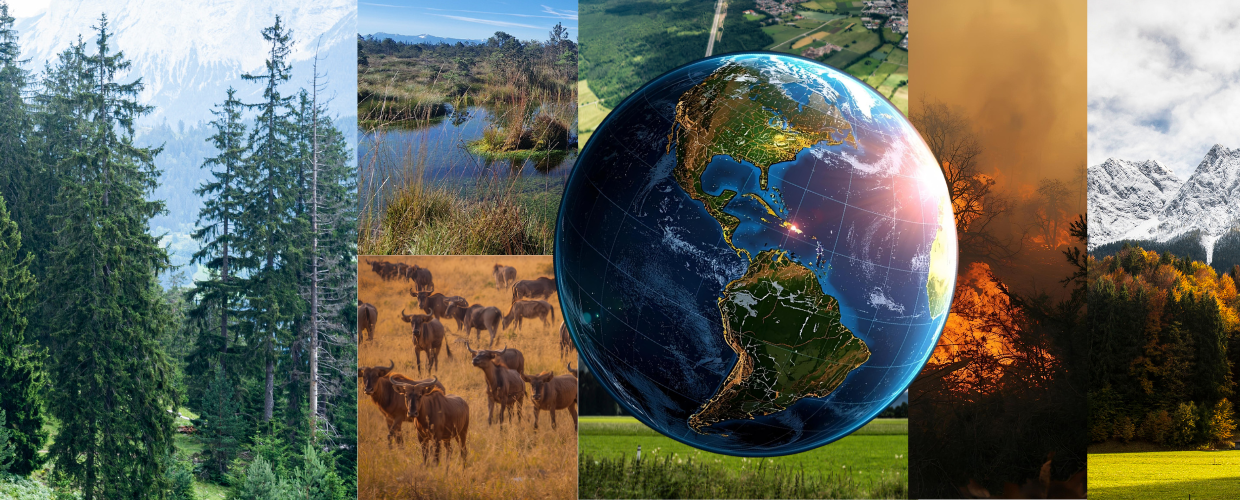
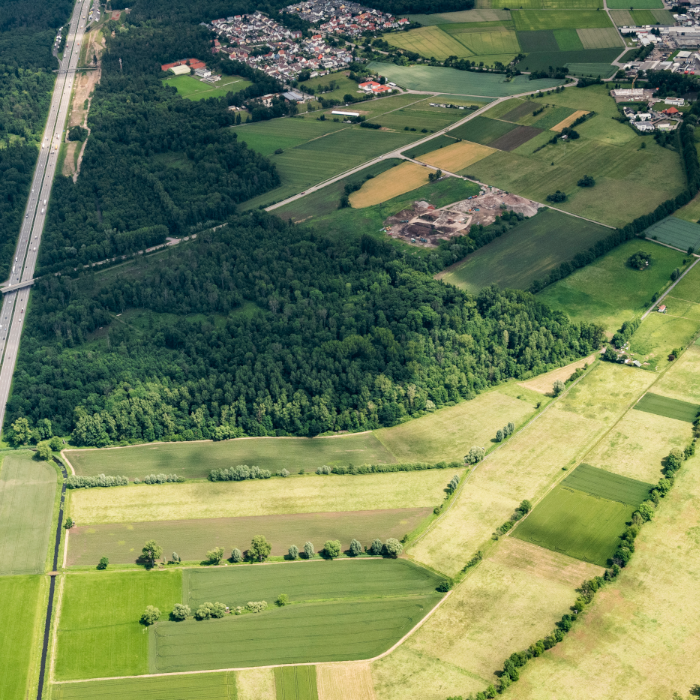

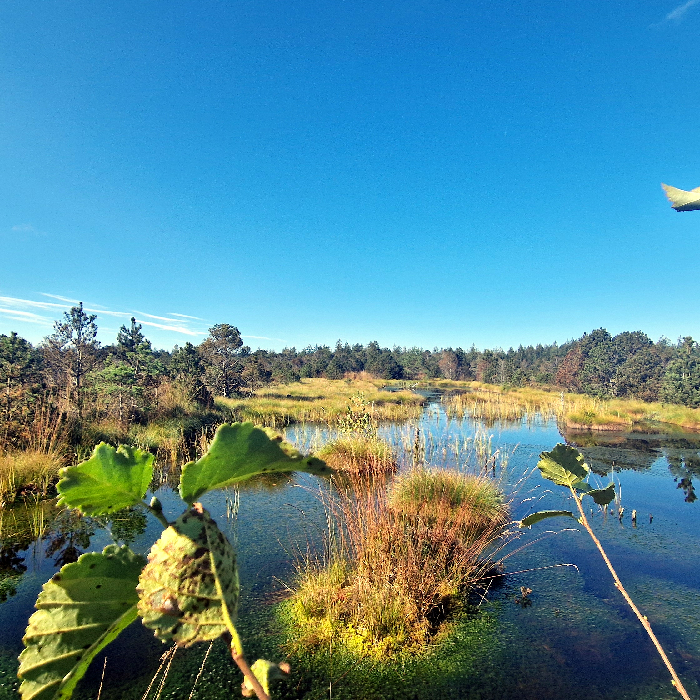

C4LaNd is a new, DFG funded research training group that addresses the problem how to meet the ever-increasing and often conflicting demands on land for food, renewable energy, and materials without compromising biodiversity conservation and climate action. All positions offer a multidisciplinary, international research environment, with partners in Germany (Karlsruhe Institute of Technology & University of Hohenheim) and Australia (University of Melbourne). Positions are now open for application up to May 17th.
Learn more
Jens, Almut, Peter and Moritz, together with Mike Harfoot, have published a version of LPJ-GUESS which implements herbivory. The corresponding reduction in leaf biomass is determined by a process-based, dynamic model of the whole trophic pyramid (the Madingley Model). We have advanced the field of integrating animal-vegetation interactions in ecosystem modelling, once again and are proud to present this study. An application of the presented model system will also enter the peer-review process soon.
Learn more
Almut led the study "The biodiversity-climate-food nexus: Illustrating challenges and solutions using the Green Shoots framework" in One Earth. It highlights the importance of coordinating environmental policies and their implementation to avoid trade-offs and to use synergies across different sustainability goals.
Today’s choices will affect tomorrow’s outcomes for the sustainability of most natural and food systems, and the Green Shoots provide an approach to inform these choices.
Read the full article here.